Cellulose Insulation Blowing in Austin, TX
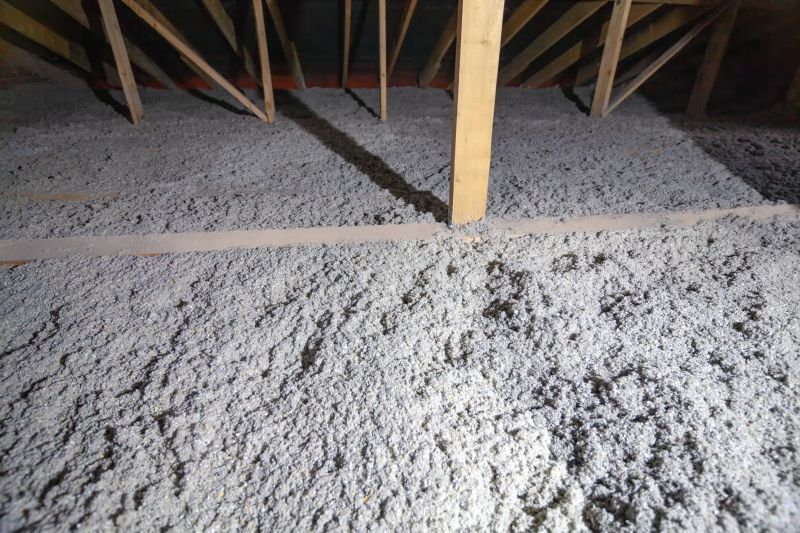
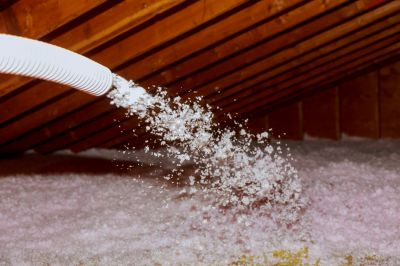
Cellulose insulation blowing services involve the installation of a dense, energy-efficient insulating material made primarily from recycled paper products. This process typically includes blowing the cellulose material into attics, wall cavities, or other enclosed spaces to improve thermal performance and reduce energy costs. Property owners often request this service for projects such as upgrading existing insulation, insulating new construction, or filling hard-to-reach areas that require enhanced thermal protection.
Before requesting cellulose blowing services, homeowners usually want to understand the scope of the project, including the areas to be insulated and the expected benefits. It’s important to consider factors like the current insulation condition, the desired R-value, and any existing ventilation or moisture concerns. Proper assessment ensures the insulation is installed effectively, providing long-term comfort and energy savings for the property.
Many property owners in Austin, TX look into Cellulose Insulation Blowing for repairs, replacements, upgrades, and appearance-related improvements.
Enhanced Insulation Performance
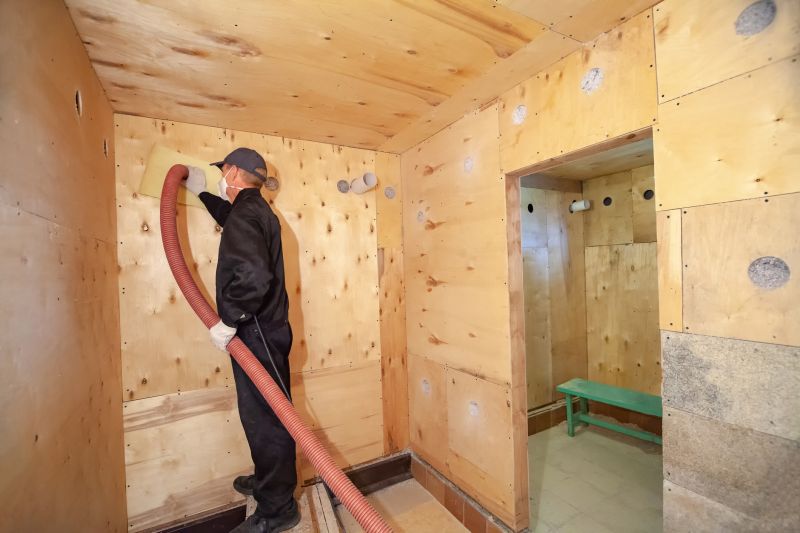
Blown cellulose insulation helps improve energy efficiency in attics and wall cavities.
Versatile Application Options
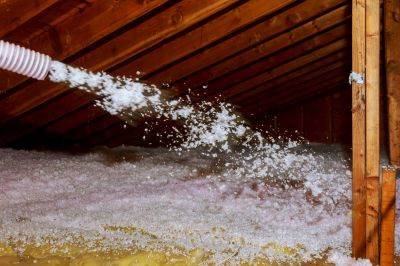
Suitable for insulating existing or new construction projects across austin and nearby areas.
Soundproofing Benefits
Cellulose blowing provides effective sound dampening between rooms and floors.
Cellulose Insulation Blowing in Austin, TX

Cellulose insulation blowing services involve the installation of a dense, energy-efficient insulating material made primarily from recycled paper products. This process typically includes blowing the cellulose material into attics, wall cavities, or other enclosed spaces to improve thermal performance and reduce energy costs. Property owners often request this service for projects such as upgrading existing insulation, insulating new construction, or filling hard-to-reach areas that require enhanced thermal protection.
Before requesting cellulose blowing services, homeowners usually want to understand the scope of the project, including the areas to be insulated and the expected benefits. It’s important to consider factors like the current insulation condition, the desired R-value, and any existing ventilation or moisture concerns. Proper assessment ensures the insulation is installed effectively, providing long-term comfort and energy savings for the property.
Many property owners in Austin, TX look into Cellulose Insulation Blowing for repairs, replacements, upgrades, and appearance-related improvements.
Common Cellulose Insulation Blowing Jobs
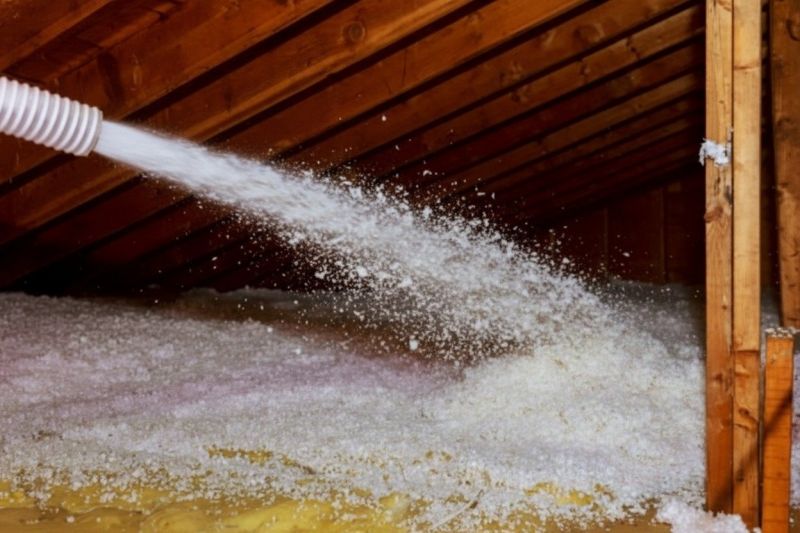
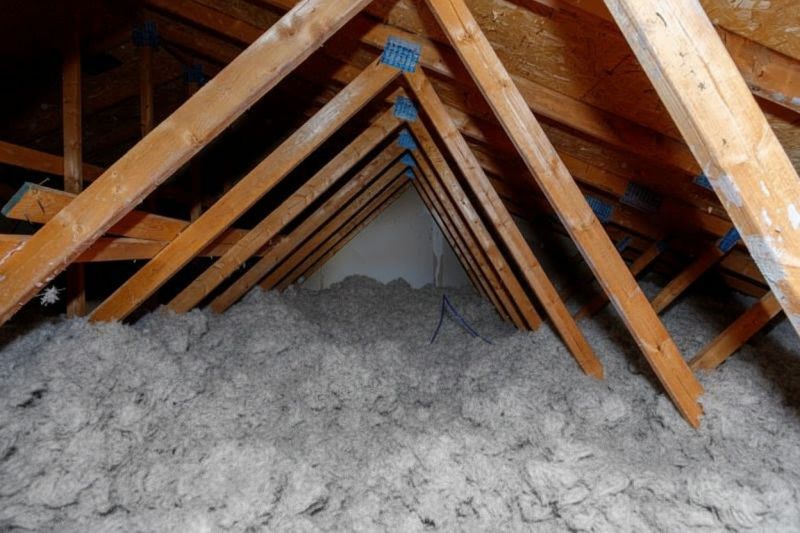
Attic insulation - blowing cellulose adds thermal resistance to improve energy efficiency.
Wall cavity insulation - enhances soundproofing and maintains indoor temperature stability.
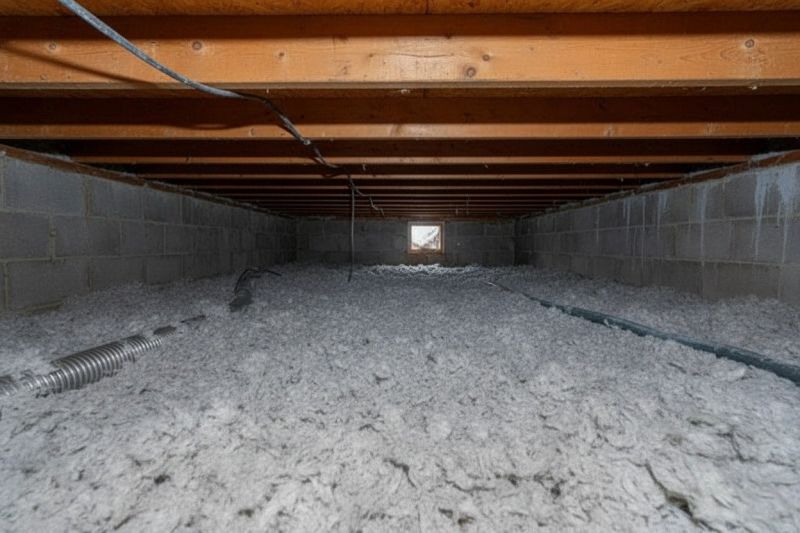
Basement insulation - helps prevent heat loss and reduces moisture issues in below-ground spaces.
New construction insulation - provides quick, effective coverage for building projects.
Add-on insulation - boosts existing insulation to meet current energy standards.
Retrofit insulation - improves insulation in older homes to enhance comfort and reduce heating costs.
Cellulose Insulation Blowing Questions
What is cellulose insulation blowing? It involves dispersing shredded recycled paper into wall cavities or attics to improve thermal performance and reduce air leaks.
Which projects are suitable for cellulose blowing? It is commonly used for insulating attics, wall cavities, and existing structures needing added thermal and soundproofing qualities.
How does cellulose blowing improve energy efficiency? It creates a dense barrier that helps prevent heat transfer and air infiltration, leading to lower energy costs.
What should property owners know before installation? Proper preparation of the area is essential, and the insulation should be evenly distributed for optimal performance.
Request Cellulose Insulation Blowing in Austin, TX
Use the quote form on this page to share the basics of your project and request more information for the type of work you need.